La Toscana · Tuscany
Tuscan Countryside
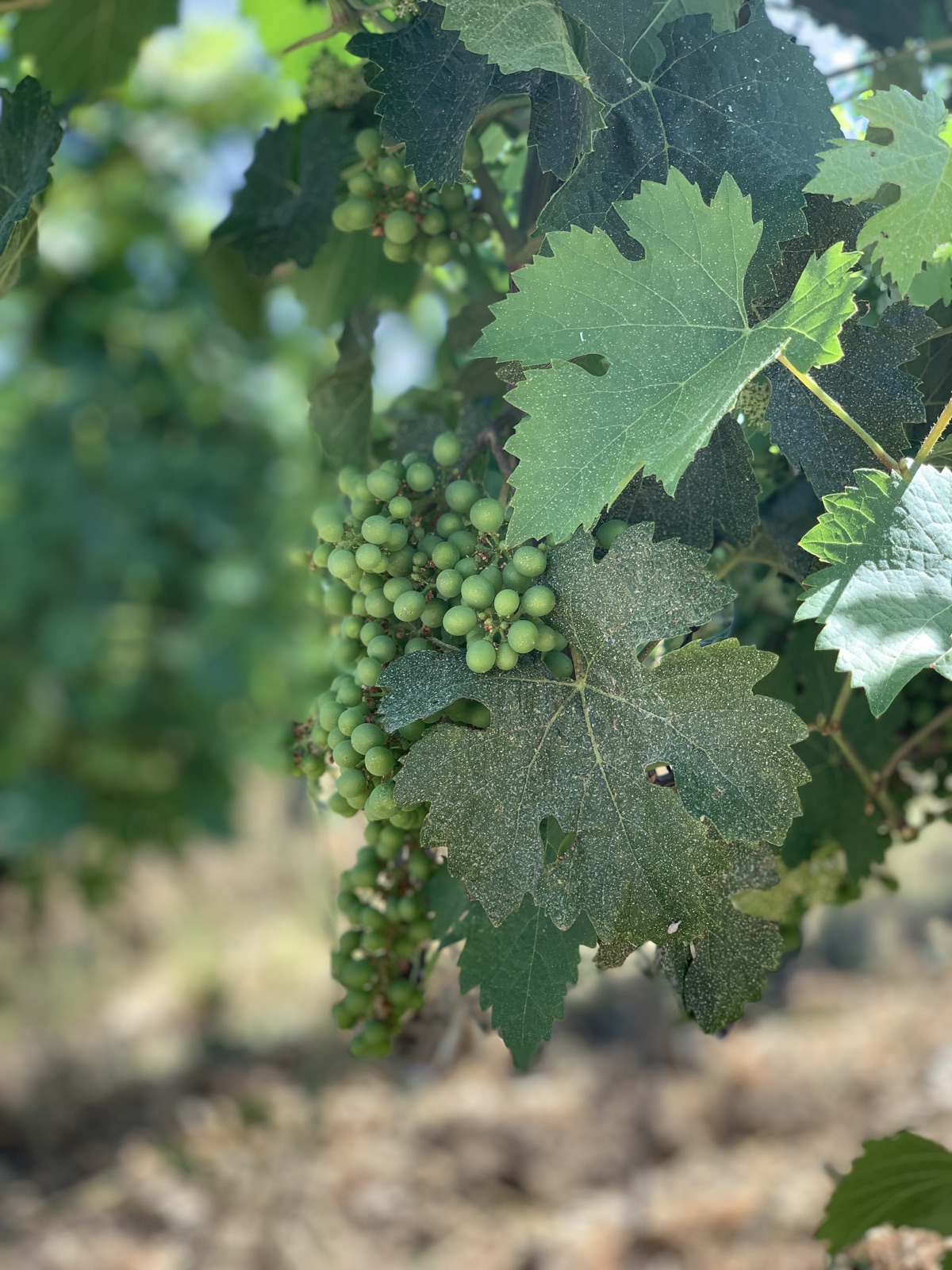
Rolling hills, cypress trees, ancient farmhouses, and the vineyards that produce some of the finest wine on earth.
La Toscana · Tuscany
Rolling hills, cypress trees, ancient farmhouses, and the vineyards that produce some of the finest wine on earth.
The Tuscan countryside is the Italy of the imagination: the image so many people carry before they have ever been. And yet it still surprises. The hills south of Florence are genuinely that colour, the light in October genuinely that golden, the farmhouses genuinely that old and that beautiful. The photographs have not lied. They have simply not been quite vivid enough.
When to go
Late April for the wildflowers. October for the harvest.
Spring in Tuscany: the hills are green, the poppies are out, the roads between the hill towns are quiet, and the air smells of wild herbs. It is the most romantic version of the countryside, and the one that the summer heat erases.
October is the other answer. The grape harvest is underway in the Chianti vineyards and the olive groves are heavy with fruit. The colours shift from green to gold to rust. The light softens. The restaurants empty of tourists and fill with Italians celebrating the end of the season. Go in October if you possibly can.
The Landscape
The Val d’Orcia is a UNESCO World Heritage landscape: a wide valley of pale clay hills, lone farmhouses, avenues of cypress trees, and the kind of silence that makes you realise how loud ordinary life is. It was painted by the Sienese masters and used as a backdrop for countless films. It still looks exactly as it does in both. Drive it slowly, stop at the high points, and let the scale of it arrive gradually.
The Chianti Classico zone, between Florence and Siena, is a different landscape: densely wooded, with vineyards opening up between the oak and chestnut forests. The villages of Radda, Gaiole and Greve are small and proper and un-touristy in the way that only places with no single famous thing to see can manage.
Where to Stay
An agriturismo in the Tuscan countryside, a working farm that takes guests, is one of the genuinely distinctive Italian experiences. Breakfast made from the farm’s own eggs, olive oil pressed on the estate, wine from vines you can see from the terrace. The best ones have been in the same family for generations and run with a pride that no hotel can replicate. Nesse knows the ones worth staying in, and which rooms to ask for.
The hill towns are the alternative: Montalcino for Brunello di Montalcino and one of the great wine libraries of Italy. Pienza, the perfect Renaissance utopia built to a single Pope’s specifications. Montepulciano for Vino Nobile and a medieval streetscape that feels completely unlaboured. Each one is a day’s excursion from a central base, or the base itself.
Food & Wine
The food of the Tuscan countryside is the food of the farmhouse: robust, seasonal, deeply satisfying. Pici, the hand-rolled thick pasta of the south, with a wild boar ragù or simply with garlic and olive oil. Ribollita, the bread-and-bean soup that improves every time it is reheated. Bistecca alla Fiorentina, the great Chianina beef steak, cooked rare over charcoal and served without apology.
The wine needs no introduction, but it rewards a closer look. Brunello di Montalcino is among the finest red wines in the world: structured, long-lived, made from Sangiovese grown on the slopes below Montalcino and aged for years before release. The Vino Nobile di Montepulciano runs it close. The Chianti Classico Riserva, drunk at a farmhouse table with a plate of cured meats, is the everyday version and not to be dismissed. Nesse will tell you exactly where to go and which estate to visit.
Tell us you want Tuscany.
We’ll take it from there.
Bespoke itineraries · Personal recommendations · Everything arranged
Enquire about Tuscan Countryside